


Starts with K
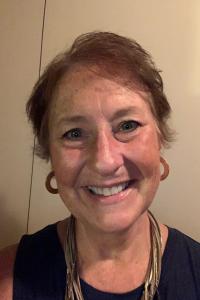
There are a lot of things an old-school reporter like me does not do:
- Accept favors. That includes food, drinks, gifts, or other perks from someone I cover. If you’ve ever offered me a cookie at an open house or a can of pop during a meeting, you know I decline. It isn’t personal, it’s ethical.
- Insert myself into a story. Columns are different; they are printed on the opinion page, and are clearly marked as my opinion. You will never see “this reporter asked …” in a story. Not only is it weird, it’s not necessary. Just say what the answer was, not how you got it.
- Judge the subject matter. I often tell people, “I don’t have a dog in this hunt.” I do not live in any of the towns I cover, so writing about a school referendum or a city tax levy is just a story about the facts. I also know that certain things are beyond someone’s control, so assuming I would know better or do better is unfair. Nothing happens in a vacuum.
- Clap, or otherwise react, during an assignment. I was taught that doing so compromises my perceived objectivity, credibility and independence.
It’s that last one that sometimes trips me up, and it happened last week.
The Steele-Waseca Drug Court graduated two more people, bringing the total to 128 in the past 12 years. That’s an average of more than 10 a year – no mean feat, when the shortest stint required in drug court is 18 months.
It’s not easy, as the people involved will tell you. There are random drug tests, multiple mandatory meetings each week, rules about employment, schooling and housing, frequent check-ins with the judge, probation officers and more.
That includes showing up at court every two weeks for one of those check-ins. Though I’ve never sat in on a typical hearing, I suspect they’re a little more involved and serious than the ones we see at a graduation.
Before recognizing the honorees, Judge Joseph Bueltel calls every drug court participant to the front, asks how they’re doing, asks them the question of the day, then tells them how many days of sobriety they’ve attained.
Those rules, too, are different than the real world. If they miss a drug test or a court hearing or commit any other number of infractions, their sobriety date resets. They start over. It doesn’t matter that they didn’t use drugs or alcohol – this program is about fostering accountability and responsibility.
Graduating from the program isn’t predicated on a specific number of days sober. It is based on completing the five phases of the court’s recovery plan, in addition to other requirements.
So, last week’s question of the day was pretty simple: What’s your favorite kind of cake?
Each member sat at the front table as Bueltel asked how work was going, or congratulated them on hitting a personal goal, or dinged them for missing a meeting.
Then: What’s your favorite cake?
My informal tally indicated cheesecake and chocolate as the frontrunners; there were a couple carrot cake and ice cream cake afficionados and two that made me rethink my own choice: Vanilla with peanut butter frosting, and raspberry-filled white cake.
I’m confetti angel food, by the way.
It was fun, lighthearted – and followed by a serious number.
Last week, the days of sobriety ranged from 3 to 650. Every number was met with applause. Every number.
Because here’s the thing: If you’re struggling with addiction and all of the things that often come along with it, the wins can feel few and far between.
But that number? That number shows that you’re doing hard work, no matter how big or small it is.
Every day that isn’t 0 deserves to be recognized and applauded, because it means you’ve gotten up and done the right thing.
As many recovering addicts will admit, they have hurt the people who love them most. They’ve felt embarrassed. They’ve felt hopeless. They wish they could stop, but feel powerless.
So someone clapping for them? Clapping for them? Everyone clapping for them?
That means something. It means pride. It means hope. It means resilience. It means success.
I am the daughter of an alcoholic who died from it and the mother of a recovering alcoholic who is living with it.
You’d better believe I clapped – and I always will.